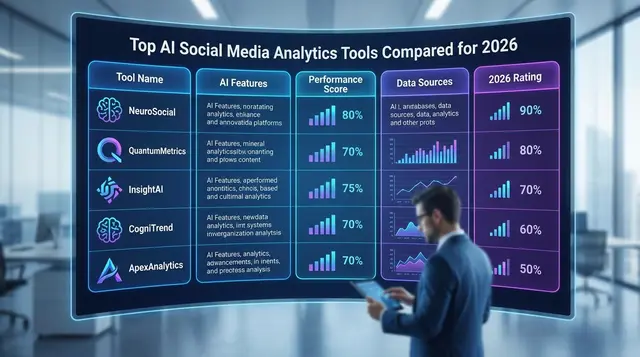
PostNext vs. Alternatives: Is Your Social Media Strategy a Scalpel or a Swiss Army Knife?
Precision or Versatility: What Influencers Really Need
Choosing a social media analytics platform as an influencer is a strategic decision. Some tools act like a scalpel, delivering pinpoint accuracy – offering deep, targeted insights about your audience, content, and performance. Others function more like a Swiss Army knife, bundling scheduling, analytics, content ideation, and more, but often with less depth in each area. The best choice depends on your growth stage and business objectives. For those focused on optimizing every post, depth matters. For those juggling multiple brands or content types, adaptability may win out.
Analytics: Depth, Flexibility, and Strategic Insight
If your revenue and partnerships depend on growth metrics and audience engagement, surface-level numbers are rarely enough. Modern social media analytics goes beyond tracking likes or follower counts. You need to know which content drives engagement, when your audience is most active, and how campaigns perform across the networks you use. This is where platforms like PostNext and its alternatives offer more than basic native analytics.
Native dashboards, such as Instagram Insights or Meta Business Suite, are suitable for beginners. But as you expand to multiple platforms or scale your brand, their limitations become clear. Missing historical data or the inability to compare metrics side-by-side across networks can slow down decision-making. Third-party analytics tools give you a more comprehensive view of performance, and some add trend spotting and competitor benchmarking on top.
Why Platform Choice Directly Impacts ROI
The difference between PostNext and all-in-one alternatives centers on how you want to grow. If your strategy is highly targeted – optimizing every post for engagement or timing campaigns around audience peaks – a specialized platform provides tailored insights and analytics that connect directly to business outcomes.
If you’re managing multiple brands, content types, or team members, adaptability becomes essential. The Swiss Army knife approach may sacrifice some depth for streamlined workflows and broad utility. While you might not get the most granular analytics, you gain time-saving features across scheduling, publishing, and performance tracking – all within one ecosystem.
Your platform shapes your results. Influencers who select analytics tools thoughtfully can move beyond vanity metrics and start linking social campaigns to real business impact. The right choice helps you spot emerging trends, respond quickly to audience sentiment, and justify marketing spend with tangible evidence – making analytics a true growth driver.
Side-by-Side: Comparing AI Social Media Analytics Platforms for Influencers
Quick Comparison for Influencers
Influencers face constant pressure to prove ROI, spot trends early, and adapt content strategies across multiple channels. The right social media analytics platform can help you turn scattered data into focused, actionable insights – if you choose well. Here’s a side-by-side look at PostNext and Sprout Social, two widely used options, to help you make an informed choice.
| Dimension | PostNext | Sprout Social |
|---|---|---|
| Ease of Use | Designed for creators and small teams. Visual calendar, drag-and-drop scheduling, and a focused analytics view keep things simple. | Feature-rich dashboard with customizable widgets. Steeper learning curve but built for those managing multiple brands or teams. |
| Insight Depth | Per-post engagement for X, Instagram, TikTok and LinkedIn (engagement rate, reach, impressions, likes, comments, saves, shares), a daily follower-growth trend for X, Instagram, Threads and TikTok, and a best-time-to-post panel from your own history (paid plans; the exact metrics depend on what each network’s API provides). No listening or competitor benchmarking. | Offers granular breakdowns with customizable reports, sentiment analysis, and competitive benchmarking. |
| Integration | Publishes to X, Instagram, LinkedIn, TikTok, YouTube, Threads and Bluesky. Facebook is coming soon. LinkedIn metrics are limited to likes and comments. | Broad integration library, including CRM tools. Useful for complex social and business data connections. |
| Automation | AI-generated captions and hashtags, recurring posts, and suggested posting slots you confirm before anything is scheduled. | Workflows for approval, automated report delivery, and rule-based monitoring. Automation geared toward larger teams and agencies. |
| Reporting | CSV and PDF exports (paid plans), plus scheduled weekly or monthly report emails to sponsors or partners. | Custom report builder, scheduled exports, and advanced visuals. Supports multi-brand and multi-team reporting needs. |
Major Analytics Differentiators
The key distinction between PostNext and a heavyweight like Sprout Social lies in analytics approach. PostNext is built for focus and simplicity. It highlights what matters for a creator: your top content, your best posting times, and your follower growth, without dozens of widgets or custom filters.
Sprout Social, by contrast, acts as a command center for teams managing multiple brands, campaigns, or markets. If you need to benchmark against competitors, build custom dashboards, or connect social data with business metrics, Sprout Social’s analytics depth stands out. The tradeoff is complexity: you get more levers to pull, but it takes time to manage the data.
What Busy Influencers Should Know
- Unified analytics helps if you manage multiple accounts. PostNext keeps it streamlined for solo creators and small teams, within its supported scope (per-post engagement on X, Instagram, TikTok and LinkedIn).
- If you need sentiment analysis, competitive benchmarking, or cross-team reporting, Sprout Social’s toolkit is more extensive.
- Automation in PostNext is about drafting and scheduling, while Sprout Social supports more complex workflows for larger teams.
- Don’t underestimate ease of use: PostNext’s visual planning and simplified reports reduce the risk of analytics fatigue and help you act faster on insights.
Ultimately, your choice depends on your workload, team structure, and appetite for analytics depth versus speed. As influencer marketing becomes more data-driven, picking a platform that fits your workflow is the surest way to keep your social media analytics sharp and your growth sustainable.
Why Social Media Analytics Matters for Influencers: Beyond the Numbers
For influencers, social media analytics is more than tallying likes or tracking follower counts. It’s a direct line to understanding what works, what falls flat, and which decisions actually move the needle on your goals. The best creators aren’t guessing – they’re studying engagement rates, reach, follower growth, and conversions to spot patterns and fine-tune their strategy.
Three metrics consistently stand out: engagement (how your audience interacts with content), reach (how many people see it), and growth (how your following expands over time). Combined, these help answer essential questions: Which posts actually inspire action? When is your audience most active? What triggers a spike in new followers?
Key Insight: Influencers who treat analytics as a feedback loop – rather than a scoreboard – consistently develop stronger, more adaptive strategies.
Many start with native analytics dashboards, but serious creators quickly run into roadblocks. Instagram might give you engagement numbers, but comparing that data with your LinkedIn performance often reveals inconsistent metrics, missing details, or basic gaps like unclear timeframes. It’s tough to spot cross-platform trends or benchmark against competitors when every platform speaks a different data language.
This is where third-party tools come in. Instead of toggling between apps and exporting spreadsheets, you get a consolidated view – all your platforms, all your data, in one place. For anyone running multiple accounts, unified analytics are a major time-saver and often uncover trends you’d miss otherwise. Pricing varies widely, ranging from free tools up to enterprise-level subscriptions, so even small teams can find a fit.
But the real power isn’t in the raw numbers – it’s in turning those numbers into decisions. Analytics should answer questions, not just generate charts. What’s driving spikes in engagement? Why did a campaign underperform? Which topics are gaining traction that you can tap into next?
The Four Levels of Analytics: Descriptive to Prescriptive
Influencer success hinges on moving beyond simple reporting toward actionable insights. The most effective use of social media analytics follows a progression:
- Descriptive: What happened? (e.g. “Last week’s reel doubled my typical engagement.”)
- Diagnostic: Why did it happen? (e.g. “The post used a trending audio and a new hashtag.”)
- Predictive: What’s likely to happen next? (e.g. “If I use more trending sounds, I’ll likely see higher engagement.”)
- Prescriptive: What should I do about it? (e.g. “Plan biweekly content using trending audio and test similar hashtags.”)
This framework encourages you to move from reporting numbers to developing a strategy based on patterns and real audience feedback. The smartest creators use analytics tools not just to track past activity, but to anticipate what’s coming and adapt their approach as they grow.
Deep Dive: PostNext’s Approach to AI-Powered Social Media Analytics
Social media analytics is only as valuable as the actions it enables. PostNext is aimed at influencers and marketers who want practical, time-saving features that shape what gets posted and when. Here is what its AI scheduling, visual planning, and analytics actually cover.
AI-Generated Captions and Scheduling Suggestions
Creating the right caption under deadline pressure is a challenge, especially when managing content across multiple networks. PostNext’s AI drafts captions and hashtag sets from your topic, and your Brand Profile keeps the tone consistent. On paid plans, the date picker shows the three strongest time slots, ranked from how your own posts performed over the last 90 days. Clicking one fills in the time; nothing is scheduled until you confirm.
For example, if your Instagram posts consistently earn more engagement on weekday afternoons, those slots rise to the top of the suggestions. You still decide what to post and when.
Visual Content Calendar
Influencers often juggle spreadsheets, screenshots of native analytics, and static calendars. PostNext gives you a visual content calendar in month, week or day view, colour-coded by content pillar, so you can see your upcoming lineup and rebalance cadence by dragging posts to new dates. Once posts go live, engagement rolls up by pillar, category and campaign.
What the Analytics Dashboard Covers
PostNext analytics covers three things:
- Per-post engagement for X, Instagram, TikTok and LinkedIn: engagement rate, reach, impressions, likes, comments, saves and shares, calculated with one engagement-rate formula so you can compare posts like-for-like (the exact metrics depend on what each network’s API returns).
- Audience growth, a daily follower snapshot for X, Instagram, Threads and TikTok.
- Best time to post, a panel that ranks time slots by the engagement your own X, Instagram, TikTok and LinkedIn posts earned (paid plans).
It does not collect link clicks or video views, because the platform APIs do not expose them. LinkedIn metrics are limited to likes and comments, and Facebook publishing is coming soon. Data refreshes on a regular schedule, so it is not strictly real time. You can view 7, 30 or 90-day periods and export CSV or PDF on paid plans.
Key Insight: The value of social media analytics multiplies when recommendations, cross-platform data, and visual planning tools work together, turning raw numbers into faster decisions.
Before/After: Manual Tracking vs. PostNext
| Before | After |
|---|---|
| Manually tracking analytics: Export CSVs from each platform, copy metrics into a spreadsheet, try to align post dates, and calculate engagement rates by hand. It takes hours, and insights arrive late. Example: You notice a dip in X engagement three days late, after scrolling through exported data. | With PostNext: Engagement for your X, Instagram, TikTok and LinkedIn posts is collected automatically and shown with one engagement-rate calculation. The best-time panel suggests slots from your own history, and you confirm before anything is scheduled. Example: Your Instagram posts earn the most engagement on Thursday afternoons, so that slot appears among the suggestions when you schedule the next post. |
The difference is less busywork. With the data collection handled, you spend less time in spreadsheets and more time creating content.
- Best-time suggestions are based on your own posts, not generic “best time to post” charts.
- Cross-platform growth tracking shows where your followers are coming from.
- Visual planning tools close the loop between analytics and action.
As influencer marketing gets more competitive, the ability to translate analytics into action matters more than the number of charts you have.
Spotlight: Top Alternative Platform’s Strengths for Influencer Analytics
Among the many options for social media analytics, platforms like Sprout Social and Rival IQ stand out for influencer power users. What sets these alternatives apart isn’t just a longer features list but the kind of insight and business integration they offer – especially for those managing multiple brands, larger communities, or seeking to tie social metrics directly to broader company outcomes.
Comprehensive Sentiment Analysis and Social Listening
For influencers and enterprise teams, the difference between basic engagement numbers and true audience insight often hinges on sentiment analysis and social listening. Leading platforms in this category aggregate mentions from across networks, using natural language processing to flag not just when your handle is tagged but the tone of those conversations. Instead of relying on likes or retweets alone, you get a real read on whether your latest campaign is building goodwill or sparking backlash.
For example, a creator launching a new product line might see a spike in comments in native analytics, but a tool like Rival IQ can reveal that a surge in discussion is actually driven by a common complaint. By surfacing these trends early – sometimes within hours – these platforms let you respond proactively. For brands, this can be the difference between a manageable PR issue and a reputation problem spiraling out of control.
Enterprise-Level Integrations
Advanced social media analytics platforms don’t operate in a silo. They connect social data with CRM systems, web analytics, and business intelligence platforms. This unified approach means you’re not just measuring which Instagram post performed best; you’re tracking qualified leads from that post all the way into your sales pipeline or customer support system.
For influencers working with agencies or as part of larger campaigns, the ability to sync social performance data with business outcomes is crucial. It unlocks cross-team visibility – so marketing, sales, and customer support are all referencing the same source of truth. This integration also enables more advanced attribution modeling, helping you prove ROI to brand partners with credible, shared data instead of siloed screenshots.
Custom Reporting and Competitive Benchmarking
Another area where top alternative platforms excel is customizable reporting and competitive benchmarking. Instead of relying on rigid, platform-defined dashboards, these tools let you define your own metrics, visualize trends over any time frame, and export reports for team or client use. More importantly, they allow influencers to compare their results directly to competitors or industry benchmarks – something native platform analytics rarely provide.
For example, a fitness influencer can track not only their engagement rate but also how it stacks up against similar accounts, broken down by hashtag, content type, or campaign theme. That context is essential for identifying gaps in strategy or opportunities to leapfrog rivals. Agencies managing multiple creators can roll up results into cross-client reports, spotting macro trends and sharing best practices across accounts.
Key Insight: The real advantage of top third-party analytics platforms lies in their ability to unify disparate data, surface actionable sentiment trends, and tie social activity directly to business outcomes – powering smarter, faster decision-making for influencers and teams alike.
Before/After: Native Analytics vs. Third-Party Unification
| Before: Native Analytics | After: Unified Third-Party Tool |
|---|---|
| • Check Instagram for reach, Twitter for mentions, and Facebook for comments – all in separate dashboards. • Basic engagement graphs, missing competitive data or historical sentiment trends. • Export CSVs manually for reporting; limited ability to customize views or combine metrics. | • Single dashboard showing all networks, side-by-side, with unified metrics. • Sentiment analysis highlights a shift in audience tone on multiple channels simultaneously. • Custom reports combine follower growth, conversions, and web traffic – mapped against competitor benchmarks, ready to share instantly. |
The “before” scenario captures the fragmented, often manual process most creators face when sticking with native analytics. Insights are shallow and reporting is a chore. The “after” shows why unified third-party tools are so valued: they offer a truly comprehensive, customizable view, reveal patterns early, and save time. For fast-moving influencer businesses, that means more time strategizing, less time wrangling spreadsheets.
PostNext covers in-app analytics for content planning and timing. Platforms such as Sprout Social or Rival IQ fit teams who need sentiment tracking, deep business integration, and the ability to benchmark against competitors, which PostNext does not offer.
Analytics Dimensions That Matter: How Each Platform Measures Up
What Influencers Need from Social Media Analytics
For creators managing multiple channels, reliable social media analytics is the backbone of decision-making. The dimensions below are the ones worth checking in any platform, with what PostNext offers today.
Dimension-by-Dimension: What PostNext Covers
The value of an analytics platform comes down to how quickly and deeply it lets you answer questions like: Which content types are driving engagement? When is your audience most receptive? And how do your results compare to the competition? Here is where PostNext stands on each.
| Dimension | PostNext | What to check in an alternative |
|---|---|---|
| Depth of Insights | Per-post engagement for X, Instagram, TikTok and LinkedIn; daily follower growth for X, Instagram, Threads and TikTok. No link clicks or video views. | Which metrics it collects for each of your networks. |
| Speed of Data Gathering | Refreshes on a regular schedule from each platform API; not strictly real time. | How often data refreshes, and whether that is enough for your pace. |
| Integration with Other Tools | Public REST API and an MCP server for AI assistants. No CRM or project management integrations. | CRM, web analytics and BI connections if you need them. |
| Benchmarking & Trendspotting | Not offered. PostNext compares your own periods (for example, last 7 days vs the prior 7), not competitors. | Competitor benchmarking and listening, if those matter to you. |
| Customization | Filters by channel, brand profile, content pillar and date range; CSV or PDF export. | Custom dashboards and report builders. |
Where Each Platform Excels (and Falls Short)
If your priority is a simple view of your own performance, PostNext fits. Its dashboard shows what works and when for your X, Instagram, TikTok and LinkedIn posts, alongside follower growth, without exporting CSVs from each app.
When it comes to custom analytics, benchmarking or niche integrations, larger platforms offer broader flexibility, catering to teams that want detailed, bespoke reports or to hook analytics into business tools. For established agencies or brands with specific reporting needs, this can be a deciding factor.
The tradeoff? Third-party analytics platforms like these only deliver true value if you’re consistently tracking the right metrics and acting on the insights. Overloading your reports with every available data point can muddy the waters. Instead, focus on the analytics dimensions that align with your business goals – whether that’s growing engagement, improving sentiment, or justifying ROI to a client.
Ultimately, the best social media analytics platform is the one that delivers actionable insight at the speed and depth you need, in a format that fits your workflow. The right choice will help you spot trends before your competitors and adapt your strategy with confidence.
Limitations and Considerations: Where Each Platform Falls Short
Key Insight: No social media analytics platform can cover every influencer need – understanding the trade-offs is just as important as comparing features.
PostNext: Efficiency, But Not Enterprise-Grade
PostNext delivers scheduling and focused analytics for influencers who want to streamline content planning. But as influencer businesses mature, the platform’s integration options can start to feel limiting. There are no CRM integrations, and PostNext is not built to be a centralized data hub for larger enterprises.
Coverage is another consideration. PostNext reports per-post engagement for X, Instagram, TikTok and LinkedIn and follower growth for four networks, but it does not offer custom metric definitions, cross-platform attribution, link-click tracking or competitor benchmarking. If you need those, look at more specialized enterprise systems.
Alternative Platforms: Power and Complexity
On the other hand, alternative social media analytics platforms often impress with the breadth of their features – multi-network reporting, workflow automation, and deep competitive benchmarking. But with power comes complexity. For a solo creator or micro-influencer, onboarding can feel overwhelming.
You may find yourself spending hours configuring dashboards, choosing from dozens of metric options, or navigating dense documentation. There’s a real risk of data overload: too many charts, too little context. And for those operating on a tight budget, advanced platforms often put key features on higher-priced plans, so check current pricing pages before you commit.
Unfocused Metrics: The Double-Edged Sword of Analytics
Whether you choose a streamlined tool like PostNext or a more extensive alternative, the effectiveness of social media analytics depends on focus. Fragmented data and inconsistent metric definitions can make it impossible to draw meaningful conclusions. Chasing too many numbers often dilutes decision-making. For influencers, it’s better to pick a handful of actionable metrics – like engagement rate or best posting time – and build from there, rather than chasing every possible data point.
Ultimately, the ideal platform depends on your stage of growth and appetite for complexity. As your audience, partnerships, and content ambitions expand, assessing where each tool falls short is just as important as comparing what they do well.
When the Alternative Is the Better Choice: Scenarios Where PostNext Isn’t the Best Fit
Enterprise Integrations That Go Beyond Scheduling
For large enterprise brands, the analytics story rarely ends with scheduled posts and basic engagement metrics. These organizations rely on deeply integrated reporting frameworks that connect social media analytics with web, sales, and CRM data. Unified data systems are essential for tracking the full customer journey from first impression to conversion and retention. Third-party platforms like Sprout Social and Sprinklr have prioritized these capabilities, offering custom integrations and standardized reporting across departments and regions. If your team needs to map social data directly to business outcomes or automate complex, multi-touch attribution models, PostNext’s feature set may feel limiting. In these settings, alternatives that support single sign-on, advanced permission controls, and data exports in enterprise-friendly formats will be a better fit.
Influencer Agencies with High-Volume Benchmarking
Influencer marketing agencies often manage campaigns across dozens of creators and brands at once. Their work demands cross-client benchmarking and granular performance comparisons, not just for reach and engagement, but for more nuanced KPIs like audience overlap and competitor activity. Analytics platforms built for agencies provide custom dashboards, group-level reporting, and white-label exports. PostNext covers core analytics for individuals and small teams, but it does not do competitor benchmarking or audience-overlap analysis, so agencies that need them should look at a dedicated agency analytics suite.
Advanced Sentiment and Trend Analysis Requirements
Some teams need more than just what happened: they want to know why audiences reacted a certain way and what’s coming next. Dedicated social media analytics platforms incorporate social listening tools, sentiment scoring, and trend detection. Monitoring conversations across many posts and reviews helps detect emerging topics, brand threats, or viral moments early. PostNext supports core engagement metrics and content planning, but it is not a listening tool. If you’re focused on sentiment shifts, influencer discovery, or campaign risk analysis, a tool built for listening is the better fit.
There’s no single best tool for every use case. When enterprise-level integrations, high-volume agency reporting, or advanced sentiment analysis are at stake, the specialized strengths of leading alternatives make them the smarter investment.
Decision Framework: How to Choose the Right Social Media Analytics Platform
Choosing the right social media analytics platform can make or break your influencer strategy. The ideal tool should fit your workflow, deliver actionable insights, and scale with your ambitions. Influencers who pick a platform based purely on brand name or feature checklists risk outgrowing their choice – or paying for functions they’ll never use. Below is a practical checklist to guide your decision.
| Criteria | PostNext | Alternative |
|---|---|---|
| Content Planning & Scheduling | AI caption drafting, a visual calendar and scheduling for X, Instagram, LinkedIn, TikTok, YouTube, Threads and Bluesky (Facebook coming soon). Ideal if you want to plan, schedule, and review results in one place. | Analytics-first tools may not schedule at all, so you may need a separate scheduler or native platform schedulers alongside analytics. |
| Unified Analytics Across Platforms | Per-post engagement for X, Instagram, TikTok and LinkedIn, follower growth for X, Instagram, Threads and TikTok. | Native analytics (e.g., Instagram Insights, Meta Business Suite) or broader third-party suites. Native tools suit you if you only manage one channel. |
| Automation & Efficiency | AI-drafted captions and hashtags, recurring posts, and best-time suggestions from your own history (paid plans). | Manual tracking and analysis. Good if you prefer full control over every step and don’t mind spending more time on data collection. |
| Budget | A free plan (1 channel, 10 posts a month), then paid plans; see PostNext pricing. | Free tiers of other tools for entry-level needs, or premium platforms (Sprout Social, Rival IQ) for enterprise features at a higher cost. |
| Advanced Analytics & Benchmarking | Not offered: no competitor benchmarking or listening. | Enterprise platforms (e.g., Sprinklr, Rival IQ) offer benchmarking, custom reporting, and integrations for agencies or large brands. |
Choose PostNext if…
- You need scheduling and core analytics for several platforms and want one hub for content planning.
- You value automation: AI-generated captions, posting-time suggestions, and multi-platform scheduling cut the busywork.
- You want to upgrade from native analytics but don’t need enterprise-grade reporting.
Choose an Alternative if…
- You manage only a single platform, or your needs are fully met by native analytics dashboards (like Instagram Insights or Meta Business Suite).
- Your work requires enterprise-level reporting: custom dashboards, data integrations, or competitor benchmarking, none of which PostNext offers.
- You need a free or ultra-low-cost solution and are comfortable with manual data collection or piecing together multiple tools.
When Using Both Makes Sense
Many influencers find that a hybrid approach works best, especially those juggling multiple niches or brand partnerships. For example, you might use PostNext for campaign planning, scheduling, and engagement tracking, and supplement it with a competitor benchmarking tool or the native analytics dashboard for a specific network.
This approach lets you keep planning and scheduling in one place without losing access to deeper data available only in other tools. For creators moving from solo work to a team, layering solutions gives you flexibility as your strategy matures.
Ultimately, the right social media analytics platform should match your goals, workflow, and growth stage – not just your current follower count. The smartest decision is the one that fits your unique mix of channels, content, and ambition.
Optimizing Influencer Strategies: Actionable Tips for Using Social Media Analytics
Spot Your Top Performers and Timing Sweet Spots
Start by using social media analytics to identify your most effective content. Look at which posts drive the highest engagement rate: not just likes, but also comments, shares, and saves. Study trends in reach and impressions across different platforms. For example, if carousel posts on Instagram consistently outperform single images, double down on carousels. Next, analyze when your audience is most active. PostNext’s best-time panel ranks slots from your own X, Instagram, TikTok and LinkedIn history, which is more specific than a generic chart. If you notice spikes in engagement on Wednesdays at noon and Friday evenings, adjust your publishing schedule accordingly.
Trendspotting: Stay Ahead of the Curve
Effective influencers keep a close eye on emerging trends, both within their niche and across the broader social sphere. Use analytics dashboards that aggregate data from multiple platforms to catch up-and-coming topics before they saturate. This proactive approach lets you join conversations early and align your content with evolving audience interests. Social listening tools let you monitor sentiment and surface potential issues or opportunities quickly. For instance, if negative sentiment starts to climb around a new product launch, you can respond and adapt before reputational damage spreads.
Align Metrics with Your Business Goals
Don’t drown in data. Instead, tie your analytics to concrete outcomes that matter for your brand partnerships and personal growth. For most influencers, this means tracking follower growth, click-through rates on affiliate links, or conversions from sponsored posts. If a brand wants proof of ROI, show how a recent campaign boosted conversions by connecting engagement metrics to web traffic or sales, using integrated analytics systems. Keep your metric definitions consistent; without that, you risk inconsistent reporting and missed opportunities to prove your influence’s impact.
Best-Practice Frameworks for Action
- Descriptive: What happened? (e.g., “Video posts saw higher shares last month”)
- Diagnostic: Why did it happen? (“Because trending audio was used”)
- Predictive: What’s likely next? (“Expect more engagement if you use similar audio”)
- Prescriptive: What should you do? (“Plan the next campaign around trending sounds”)
Cycle through these questions each month. This framework shifts your focus from simply reporting numbers to making smarter decisions, faster.
Ultimately, social media analytics only delivers value if you act on what the numbers reveal. Keep your metrics simple, revisit your strategy regularly, and let your data – not your hunches – drive your next big move.
Frequently Asked Questions About Social Media Analytics Platforms for Influencers
1. Why should I use a third-party social media analytics tool instead of native platform analytics?
Native analytics on platforms like Instagram or Facebook offer some useful metrics, but they often lack features for cross-platform comparison and trend analysis. If you manage multiple accounts or want a consolidated view of your performance, a unified third-party tool saves time and can reveal patterns you’d miss with individual dashboards. For example, LinkedIn’s native analytics doesn’t always display historical timestamps, making it harder to analyze post timing trends across networks.
2. How do integrations work – can I connect all my accounts?
Most social media analytics platforms integrate with major networks like Instagram, X, and LinkedIn. Some also support newer platforms or niche channels, but coverage varies. When evaluating tools, check that your main accounts are supported and that the integration provides the specific metrics you need, not just basic follower counts or likes. In PostNext, for example, per-post engagement covers X, Instagram and TikTok, LinkedIn shows likes and comments, and Facebook is coming soon.
3. What metrics actually matter for influencer growth and brand deals?
The most valuable analytics depend on your goals, but engagement rate, reach, impressions, follower growth, click-through rates, and conversions are staples. These metrics help answer which content resonates, when your audience is most active, and what drives actual business results. For brand partnerships, being able to show clear ROI – for example, increases in conversions or engagement from sponsored posts – often carries more weight than vanity metrics.
4. Are social media analytics platforms hard to learn?
Most modern platforms, including PostNext, prioritize ease of use with dashboards and visualizations designed for non-technical users. However, there is a learning curve in interpreting advanced metrics or setting up custom reports. The key is to start with a handful of metrics aligned to your goals, then expand as you become more comfortable with the tool’s capabilities.
5. What should I expect to pay for social media analytics tools?
Pricing varies widely, from free tiers with basic insights to subscriptions aimed at agencies or enterprise users. Check each vendor’s current pricing page, and assess whether you need advanced analytics (multi-account tracking, competitor benchmarking) or if native tools cover your current needs. As your brand grows, upgrading to a more comprehensive analytics solution often becomes worthwhile.
6. Can analytics tools really help me spot trends and improve engagement?
Yes. Unified analytics platforms can highlight emerging topics, optimal posting times, and shifts in audience sentiment. By tracking these patterns, you can adjust your strategy quickly – posting about trending topics or engaging with your audience when they are most active. This agility is crucial for staying ahead as an influencer.
7. What’s the risk of relying too heavily on analytics?
While analytics drive smarter decisions, there’s a risk in chasing too many metrics or focusing only on surface-level numbers. The most successful influencers use analytics to inform their instincts, not replace them. Consistency in metric definitions and focusing on what truly matters for your goals – rather than every available data point – keeps your strategy grounded.
Made with PostNext tool