Key takeaways
- Platform size matters far less than whether your audience is on it and reachable there.
- Reach differs from audience: some platforms show your posts to followers far less often than others.
- Pick two you can sustain rather than a presence on all of them that nobody maintains.
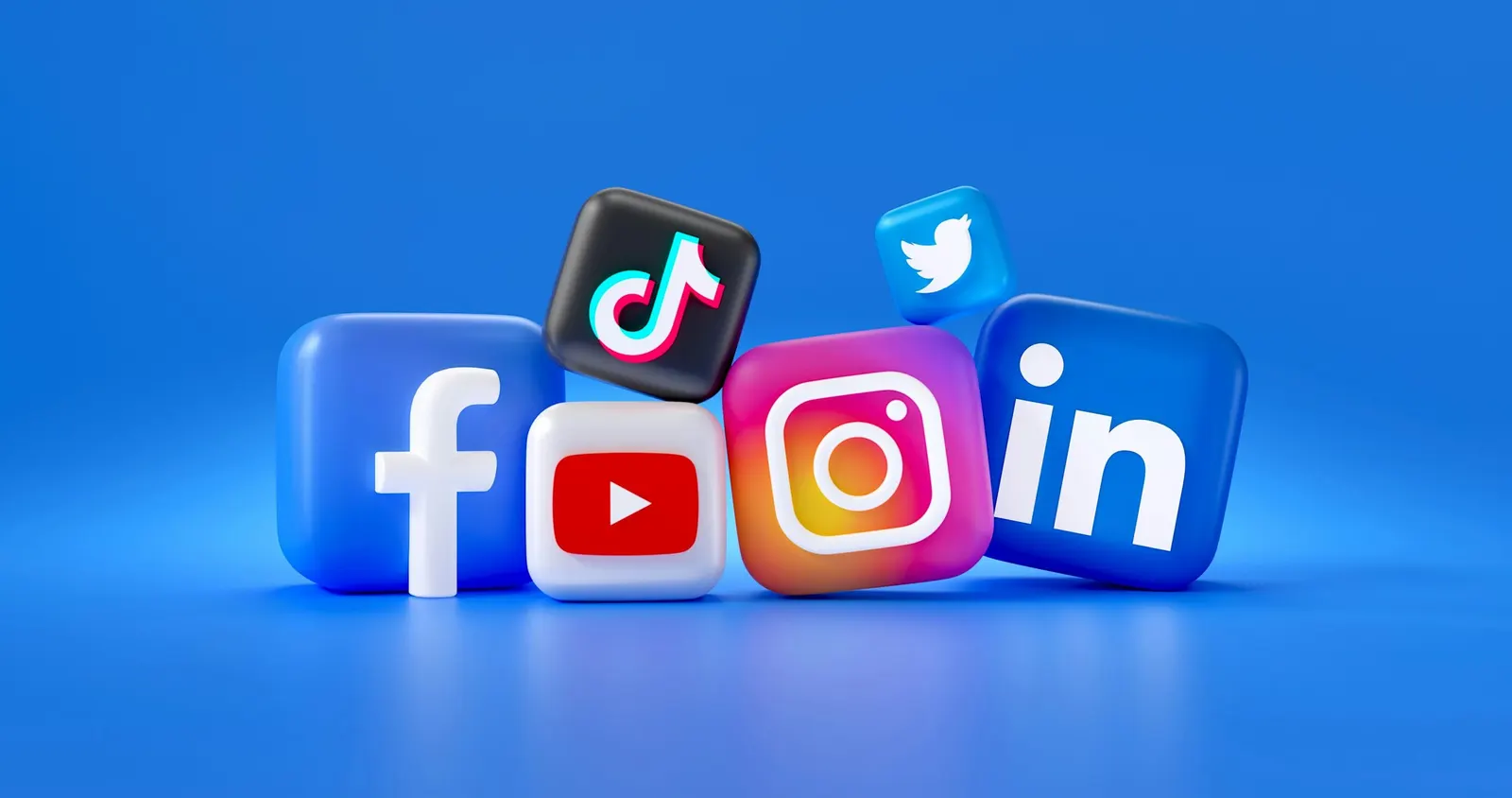
YouTube, Facebook, Instagram and WhatsApp are the most used social media platforms in 2026, and which of them comes first depends on how you count. Ask people, and Facebook leads. Count who opens the app on their phone, and YouTube leads. Count the audience each platform reports to advertisers, and YouTube leads again, with TikTok third. The table below puts the three measures side by side.
Which social media platform is the most used?
DataReportal’s Digital 2026 mid-year update (April 2026) ranks the platforms three ways. None of the three counts unique people, so read them as a guide to scale rather than an exact headcount.
| Rank | Used in the past month (GWI survey, Q4 2025) | Smartphone app use (Similarweb index, YouTube = 100) | Monthly ad reach (platforms’ own ad tools) |
|---|---|---|---|
| 1 | Facebook: 56.3% of internet users aged 16+ | YouTube: 100 | YouTube: 2.65 billion |
| 2 | YouTube: 55.3% | WhatsApp: 87.4 | Facebook: 2.39 billion |
| 3 | Instagram: 54.6% | Instagram: 80.5 | TikTok: 2.21 billion |
| 4 | WhatsApp: 54.4% | Facebook: 75.7 | Instagram: 1.99 billion |
| 5 | Messenger: 36.9% | TikTok: 67.4 | LinkedIn: 1.43 billion (registered members) |
LinkedIn’s figure counts registered members rather than monthly active users, so it is not comparable with the rest of that column. Across every platform, DataReportal counts 5.79 billion social media user identities at the start of April 2026. That is identities, not people: most people hold accounts on several platforms.
For a business the useful question is narrower: which of these does your audience use, and where can you keep posting every week? The overview below answers that per platform.
Quick Overview: 10 Major Social Media Platforms in 2026
This list is not a strict ranking. As DataReportal points out, different data sources measure platform use differently, so there is no definitive answer to which platform is the most used.
- Facebook – The global giant with the widest reach across demographics.
- YouTube – The leader in video content and education.
- WhatsApp – More than messaging: groups, business, and channels.
- Instagram – Visual storytelling with shopping and reels.
- TikTok – Viral short-form video with unmatched engagement.
- WeChat – The “everything app” in China and beyond.
- X (formerly Twitter) – Fast, public conversations and breaking news.
- Pinterest – Visual discovery and inspiration, especially for commerce.
- Snapchat – Ephemeral content and AR filters for younger audiences.
- LinkedIn – Professional networking and B2B engagement.
What Each Platform Is Good For
What it offers: News feed, groups, pages, ads, Marketplace, video, and live streaming.
Who uses it: Nearly everyone, strongest with older millennials, Gen X, and older demographics, but still relevant across age groups.
Best content: Videos, community posts, local events.
Business takeaway: Still the best for broad reach, especially if you want to run targeted ads or create community groups. Developers can build on Facebook Login or its APIs.
YouTube
What it offers: Long-form video, Shorts (short clips), live streams, monetization for creators.
Who uses it: All ages, often for both entertainment and learning.
Best content: Tutorials, product reviews, entertaining clips.
Business takeaway: A must for brands wanting educational or visual content. Requires video production and SEO optimization for titles and thumbnails.
What it offers: Chat, voice/video calls, groups, broadcast lists, and business messaging.
Who uses it: Billions worldwide, especially outside the US.
Best content: Personal communication, customer support, group announcements.
Business takeaway: WhatsApp Business API opens opportunities for automated messaging, bots, and customer service.
What it offers: Stories, Reels, shopping features, influencer marketing.
Who uses it: Gen Z, millennials, lifestyle and visual-oriented communities.
Best content: Visual storytelling, reels, shoppable posts.
Business takeaway: Strong ROI for e-commerce and lifestyle brands. Agencies often build campaigns around influencer partnerships and shoppable content.
TikTok
What it offers: Short, viral videos and global trends.
Who uses it: Gen Z, younger millennials, and a growing older audience.
Best content: Quick, catchy, and trend-driven.
Business takeaway: Brands need to act fast and creatively. For developers, TikTok integrations and APIs are emerging spaces to explore.
What it offers: Messaging, payments, mini-apps, services, shopping.
Who uses it: Primarily in China, with global influence among Chinese communities.
Best content: Mini-apps, service integration, localized campaigns.
Business takeaway: Essential if targeting China. Developers may need to build mini-programs and ensure compliance with local regulations.
X (formerly Twitter)
What it offers: Real-time updates, public conversation, micro-blogging.
Who uses it: News seekers, professionals, communities around politics and tech.
Best content: Threads, quick commentary, live events.
Business takeaway: Great for building thought leadership. Devs and agencies often use APIs for sentiment tracking or automated posting.
What it offers: Boards for inspiration, visual search, and shopping integration.
Who uses it: Strongly female-skewed, with focus on lifestyle, DIY, fashion, and food.
Best content: High-quality, inspirational visuals.
Business takeaway: Excellent for product discovery. Visual SEO matters here more than on most platforms.
Snapchat
What it offers: AR filters, Stories, ephemeral chat.
Who uses it: Teens and young adults.
Best content: Playful, casual, AR-enhanced media.
Business takeaway: While not as global as TikTok, it’s valuable for brands targeting younger demographics with creative content.
What it offers: Professional profiles, networking, job opportunities, business thought leadership.
Who uses it: Professionals across industries, recruiters, B2B companies.
Best content: Articles, career advice, industry insights.
Business takeaway: A must for B2B marketing and thought leadership. Developers may integrate login and embedding features.
Key Trends in Social Media
- Short-form video is still king: TikTok, Instagram Reels, and YouTube Shorts dominate attention spans.
- Social commerce is growing: Users can shop without leaving the app.
- Messaging apps are expanding: More users prefer semi-private communities.
- Regulation and privacy matter more: Expect stronger rules on ads, data use, and content moderation.
- AI is shaping content: From recommendation engines to automated captions, AI tools influence both content creation and discovery.
Practical Tips for Businesses, Agencies, and Developers
- Find your audience first: Don’t chase every platform; go where your customers are.
- Use automation tools: Save time by scheduling posts and analyzing performance with tools like PostNext.io.
- Test small campaigns: Experiment with different formats before scaling.
- Think integrations: APIs, social logins, and e-commerce connections can create smoother customer experiences.
- Focus on sustainability: It’s better to post consistently on fewer platforms than spread too thin.
Frequently Asked Questions
What is the biggest social media in 2026?
It depends on how you measure it. In GWI’s Q4 2025 survey, reported by DataReportal, Facebook was the most widely used platform (56.3 percent of internet users aged 16 and above used it in the past month), just ahead of YouTube (55.3 percent) and Instagram (54.6 percent). Measured by advertising reach, YouTube comes out ahead of Facebook.
What is the social media prediction for 2026?
Expect more AI-driven personalization, stronger focus on video, and tighter integration between commerce and social platforms.
Which social media pays the most in 2026?
YouTube remains the strongest platform for creators in terms of ad revenue. TikTok and Instagram also provide income through brand partnerships and their own creator monetization programs.
What is the new social media app for 2026?
Emerging apps like Threads and Bluesky are gaining traction, but none yet rival the top 5 global platforms. If you are weighing Bluesky against X, our Bluesky vs X guide compares the two side by side.
What is the next big social media app?
Watch for platforms that combine AI, video, and community: these are likely to attract attention and funding in 2026.
Is Instagram still popular in 2026?
Yes, Instagram is still a powerhouse with a strong user base and growing social commerce features.
Conclusion
In 2026, social media continues to evolve, but these 10 platforms remain essential for businesses, students, developers, and creators. Whether your focus is on community, content, or commerce, choosing the right platform helps maximize your impact.
You can easily Create, schedule, and analyze your social media content all in one place with PostNext.io – AI-Powered Social Media Management Tool.
Sources
- DataReportal, “Global social media statistics”, Digital 2026 mid-year update: GWI Q4 2025 survey, Similarweb app use and platform ad reach (read October 2026): datareportal.com/social-media-users